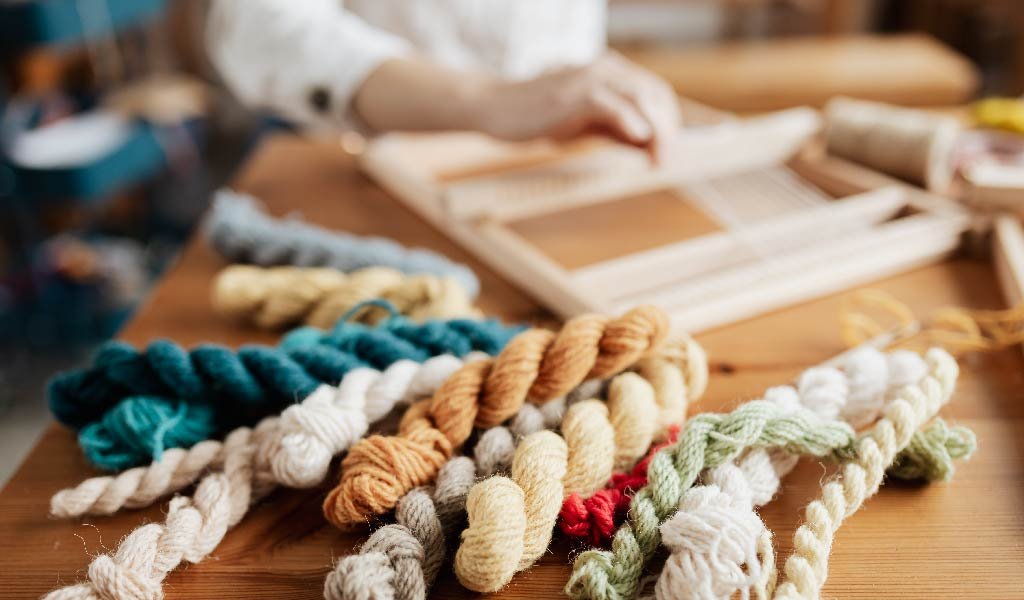
The Basic and the not so basic things you need to know about yarns
If you are a crafter, chances are, you probably have tons of different colored threads and yarns stashed away in your sewing basket or crafting cabinet. By definition, a yarn is a continuous length of twisted fibers used in a variety of crafting activities like weaving, crocheting, knitting, and embroidery to produce and adorn clothes, fashion, and home accessories. Producing yarns is one of the integral steps in producing textiles. It is also used in making ropes for simple and industrial uses. Here are some interesting facts and the basics of what you need to know about yarns.
- Yarn vs Thread
- Yarn count and thread count
- The most common types of fibers used in yarns
- Single Yarn, Ply Yarn, Cord Yarn
- What is a mercerized yarn?
- BONUS: How do you know if your yarn is made of a natural fiber or a synthetic polyester material?
Yarn vs Thread
A yarn is made up of natural or synthetic fibers spun together in a process called spinning. There are two types of yarns. The first is RS or Ring Spun Yarn. It is the oldest and most versatile spinning system for short-staple yarns offering the widest range of yarn counts. Ring spinning is a continuous process where true twists are inserted into parallel fibers by means of a rotating spindle. The second is OE or Open End Yarn. It is a technology for creating yarn without using a spindle. It was invented in 1963 in Czechoslovakia. It is also known as break spinning or rotor spinning. The principle behind open-end spinning is similar to that of a clothes dryer spinning full of sheets. If you could open the door and pull out a sheet, it would spin together as you pulled it out.
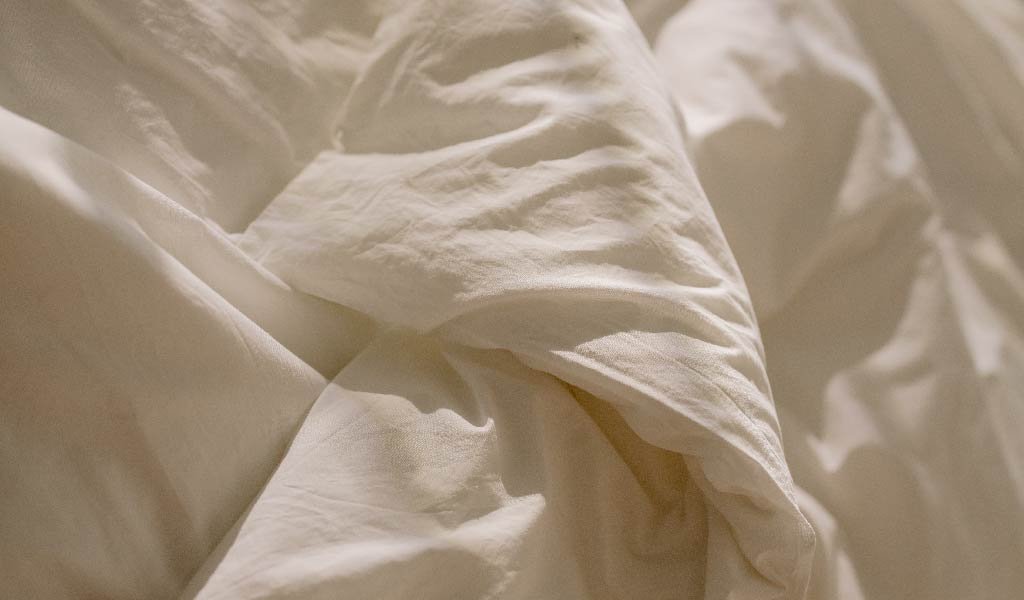
A thread is composed of two or more yarns twisted together forming a continuous length that often varies in thickness and is used for sewing and embroidery. Sewing a thin material like poplin, lace, or voile generally requires the use of a finer thread count while sewing heavier weight or thicker fabrics like denim and bull twill requires a thicker yarn both for durability and design. Likewise, using a thick or chunky thread when sewing thin fabrics produces surface puckering and uneven stitching.
It is important to understand thread and yarn qualities and match them to our project’s requirements and our personal preferences.
Yarn Count and Thread Count
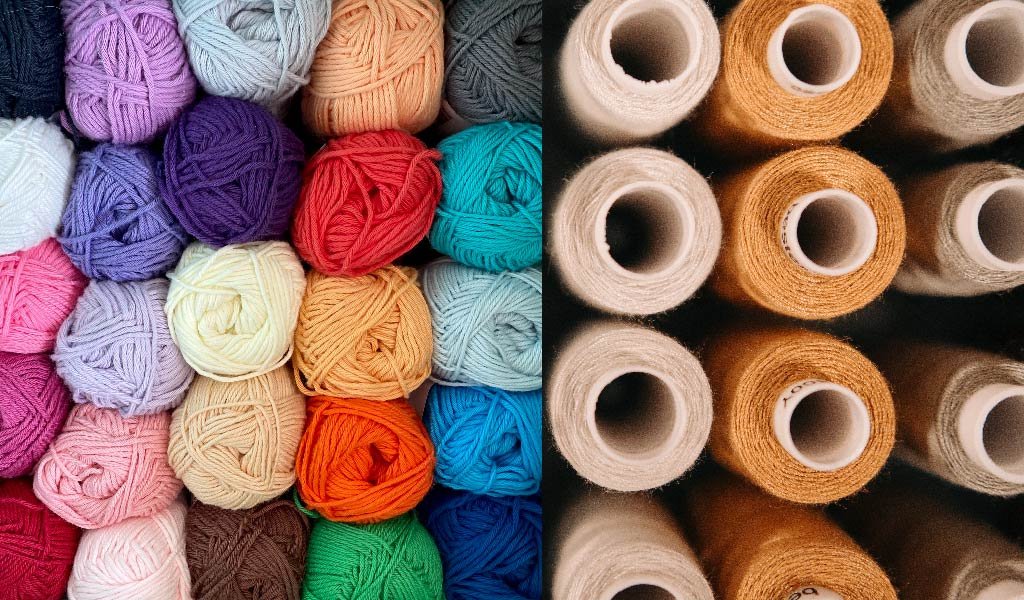
The Yarn Count refers to the thickness of the yarn or thread itself. The higher the number, the thinner the yarn. The lower the number, the chunkier it is. A size 3 yarn indicates that it is thicker and chunkier than a size 10 yarn.
The Thread Count refers to the number of threads per square inch measurement of a woven fabric. In beddings and home linens, a higher thread count where there are more numbers of threads in a square inch of fabric produces a high-quality fabric with a smooth surface that translates to a higher market value compared to a fabric with lower a thread count.
The most common types of Fiber used in Yarns
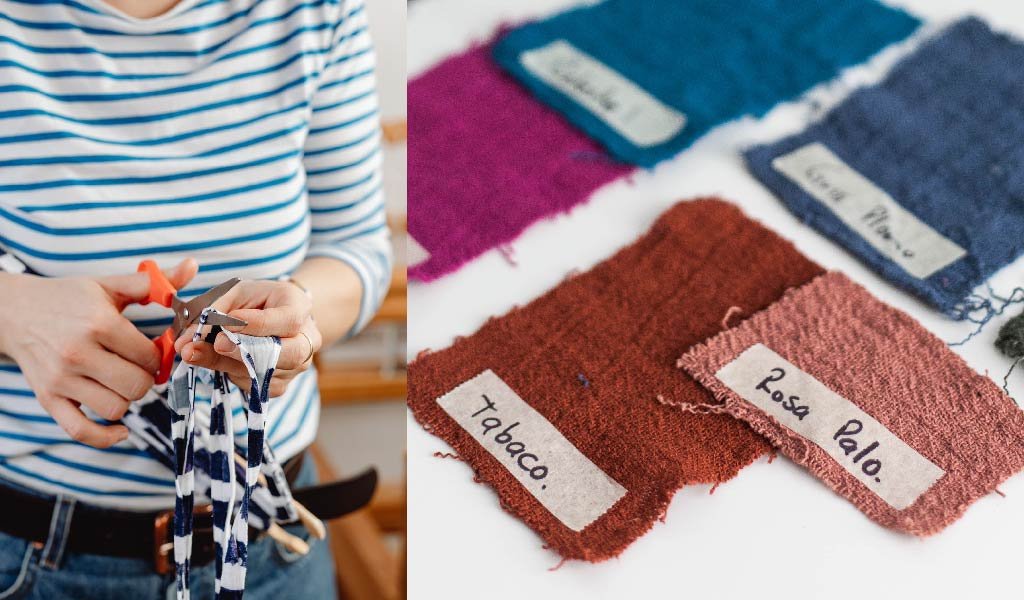
The types of fibers used in making yarns fall into 2 categories. There are natural fibers that are derived from certain parts of various plants and animals. There are also synthetic fibers that are man-made and mostly derived from polymers with the use of science and technology. Both natural and synthetic fibers provide different qualities that answer the different needs and requirements for every project.
COTTON
The most common content of almost all kinds of fabrics primarily because of its basic intrinsic properties. It is soft and comfortable, breathable, absorbs body moisture, strong and durable, it is versatile and has good color retention and therefore easy to print on, it is easy to care for, easy to wash and it is a natural resource that is fully renewable. SUPIMA COTTON is the name of an organization that promotes Pima Cotton, a type of cotton that has extra-long staples with superior fiber properties, luster, and silkiness as well as an unusually high yield in production. Supima is a trademark that means Superior Pima. Pima is a name of a Native American Indian Tribe who cultivated this kind of cotton. COMBED COTTON is an extremely soft version of cotton made by specially treating the cotton fibers before they are spun into yarn. As a general rule, combed cotton is slightly more expensive than conventional cotton. The extremely soft, strong material of combed cotton is ideal for making bed linens and clothing which will be worn against the skin. If the textile used in a cotton product is combed cotton, it will usually be clearly identified.
WOOL
is one of the most common knitting yarns derived from the shaved-off coats of animals. Cashmere is one of the most expensive kinds derived from Cashmere, Pashmina, and some other breeds of goats. Angora is also a popular kind of wool from rabbits. Merino wool is made from sheep’s wool and is known to have the finest and softest fiber. It makes up only about 1% of the world’s total fiber for apparel making it also one of the most expensive yarns. Wool yarns can absorb one-third of their weight in water and can absorb sounds well. It has excellent insulation and has high thermal resistance so it delays heat transfer in general. It ignites at a higher temperature than cotton and other synthetic fibers so it has a lower rate of flame spread. Wool is the fiber of choice for garments used by soldiers and firefighters because it has a self-extinguishing property that allows it to form a char when set on fire. It produces less smoke and toxic gases making it ideal for products that might be exposed to the likelihood of fire. An important consideration when using wool yarn or fabric is that some people may develop an allergic reaction to it.
POLYESTER
Polyester is a synthetic fiber derived from coal, air, water, and petroleum. It was developed in the 20th-century, polyester fibers are formed from a chemical reaction between an acid and alcohol. In this reaction, two or more molecules combine to make a large molecule whose structure repeats throughout its length. Polyester fibers can form molecules that are very stable and strong.
TENCEL OR LYOCELL
Tencel or Lyocell is a kind of cellulose fiber made from dissolving pulp from wood in an organic solvent spinning process. Fabrics made with this fiber absorb moisture quickly and release it again into the atmosphere. This quality also prevents bacterial growth in a completely natural way. Tencel is manufactured by Lenzing, one of the market leaders in fiber innovation.
BAMBOO
Bamboo is a natural textile made from the pulp of bamboo grass. Bamboo fabric has been growing in popularity because it has many unique properties and is more sustainable than most textile fibers. Bamboo fabric is light and strong, has excellent wicking properties, and is to some extent antibacterial. The use of bamboo fiber for clothing was a 20th-century development, pioneered by several Chinese corporations.
RAYON
The oldest manufactured fiber, having been in production since the 1880s in France, where it was originally developed as a cheap alternative to silk. DuPont Chemicals acquired the rights to the process in the 1920s and quickly turned rayon into a household word, churning out yards of the cheap, versatile fabric. Rayon drapes well, is easy to dye, and is highly absorbent, although it tends to age poorly.
Single Yarn, Ply Yarn, Cord Yarn
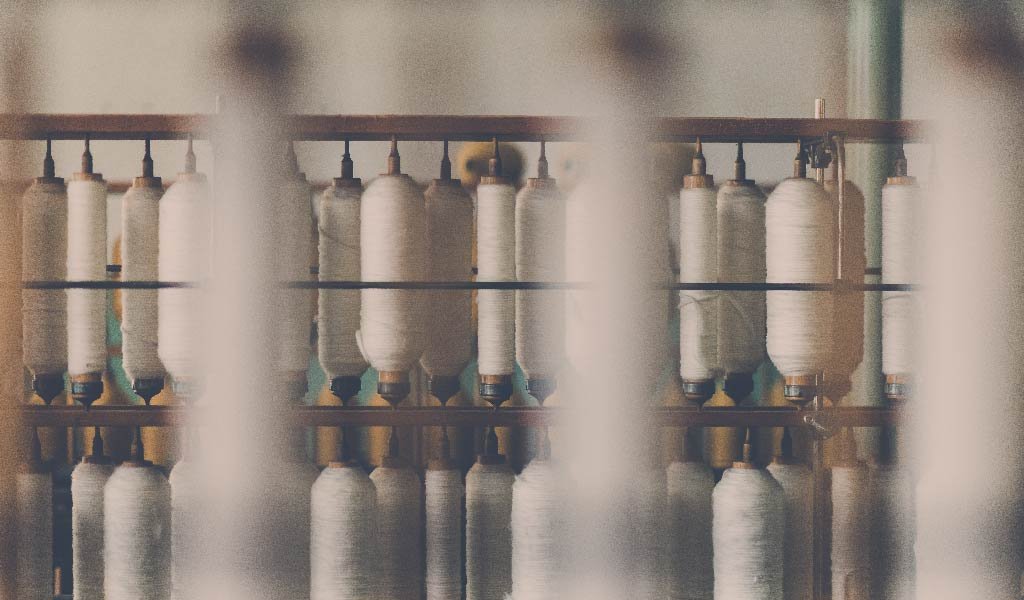
A single yarn refers to synthetic or natural fibers that are twisted together to form a single continuous length that we know as the yarn. Ply or plied yarn refers to the number of strands that are twisted together to form the continuous length of the yarn. A 2-ply yarn consists of 2 strands of single yarn twisted together, an 8-ply yarn consists of 8 strands of single yarn twisted together. This method allows for added bulk and thickness for the yarn and also provides more tensile strength so the yarn will not break off easily when subject to tension. A cord yarn is 2 or more plied yarns twisted together to form a single yarn. This type of yarn is made into heavy industrial fabrics but can also be used for sheer dense fabrics used for apparel by using a fine count yarn.
What is a mercerized yarn?
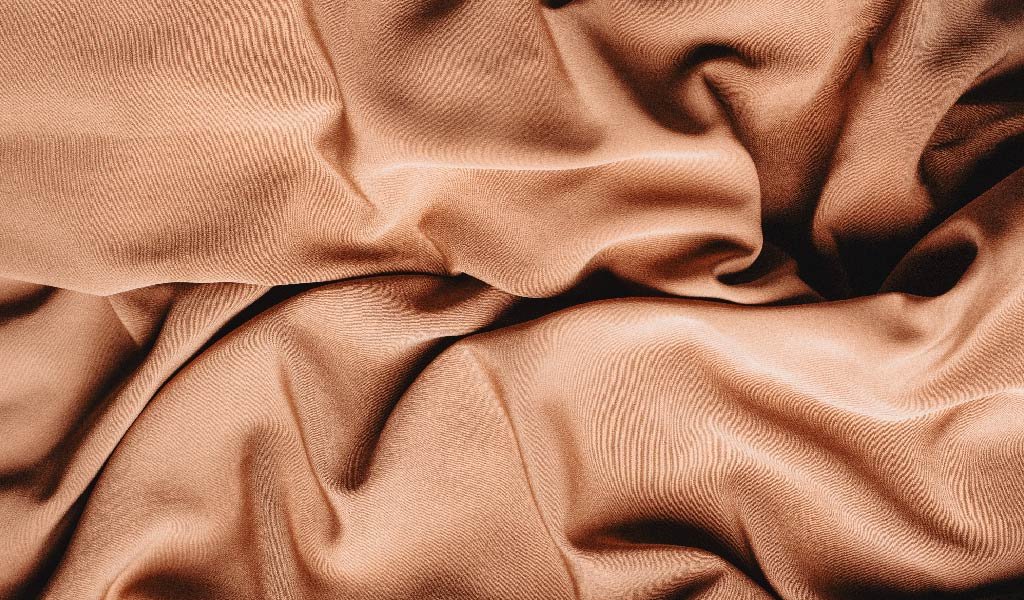
A mercerized yarn undergoes an additional process where the strands of yarn are chemically treated in a caustic solution to improve the yarn’s ability to absorb dyestuff, make it shrinkage-resistant, and improve its luster and strength. The mercerization technique was developed in 1844 by an English textile chemist named, John Mercer. Physically, mercerized yarns appear to have a smoother surface because stray fibers are removed during the process making them more lustrous and silky in appearance.
How do you know if your yarn is made of a natural fiber or a synthetic polyester material?
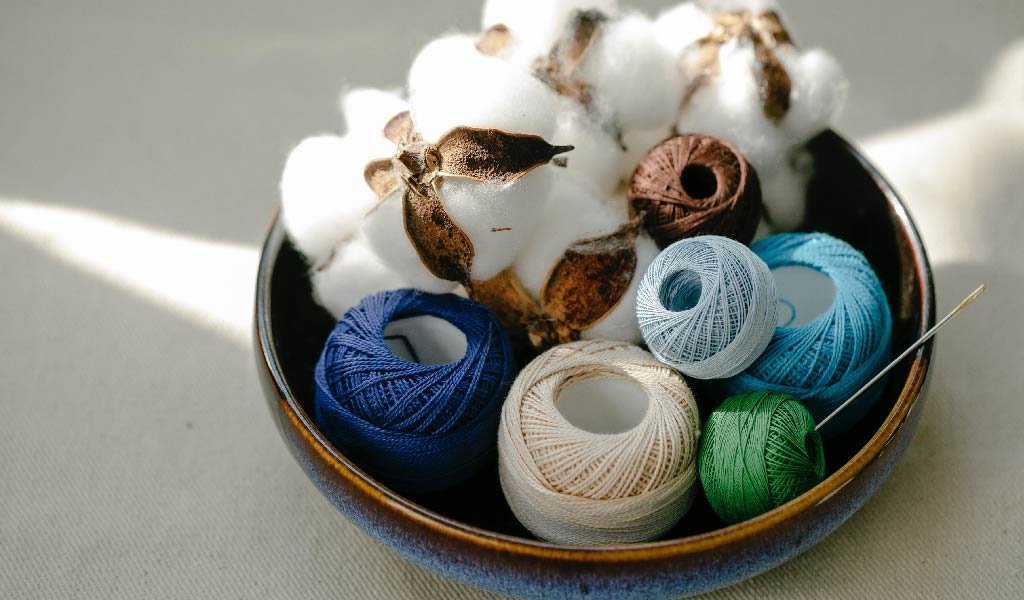
Oftentimes, when we look at the labels on the packaging of the yarns we use in our craft projects and in garment labels inside our clothes, what we will see are the types of fiber used in making the yarn. It is often translated into different languages along with the care instructions on how we can clean the item. The type of fiber used dictates the care instructions on how we can make a piece of clothing or an accessory last longer to maximize its useful life. The most common types of content you will see are cotton, polyester, rayon, wool, and Lycra.
Have you ever wondered how you can actually check if an item is made of a natural or synthetic fiber? There is a way that you can do this by doing a very simple test. If you would like to know if the yarn or fabric is synthetic or natural, cut off a small piece of the yarn or fabric and burn it off. If there are only powdery ashes left, then the yarn or fabric is made of natural fiber. If there is a melted plastic-like residue then it is highly likely that the fiber used contains polyester or some other form of synthetic fiber. Make sure that if you do this test you are in a safe area and you practice all the necessary precautions to avoid any untoward incidents.
Hope this quick Yarn-101 has helped you become more informed when choosing what yarns to use for your next crafting project. Stay safe, stay creative. Cheers.
References & Image Credits | This article may contain information sourced from publicly available references and images from third-party sources. Sources and image credits are provided where applicable. Craft Makr does not claim ownership of third-party content, trademarks, or copyrighted materials. If you believe any content has been used inappropriately, please contact us.