Categories
Trend

Five Most Popular Crafts Using Fibers and Yarns

Have you ever wondered about the origins of popular craft activities that we enjoy? It is interesting to know that the crafts that we continue to hone today date back hundreds of years ago and have been passed on from generation to generation. Bringing with it a rich history that ties us back to our roots.

As a growing child in the 90s, I had an endless curiosity about different crafts. I spent hours reading about it and experimenting with discoveries that allowed me to create beautiful things with my hands. The joys of creating haven’t diminished. After over a decade of being busy with my career among other things, I am now rediscovering my passion. I continue to learn more fascinating crafts. This blog is allowing me to continue exploring where my imagination will take me.
Photo Credit | Olga Kalinina

Here are the top five of the most popular yarn and fiber crafts of all time and some interesting bits of facts about them:

  • Crochet
  • Embroidery
  • Quilting
  • Knitting
  • Macrame

“The difference between art and craft lies not in the tools you hold in your hands, but in the mental set that guides them. For the artisan, craft is an end in itself. For you, the artist, craft is the vehicle for expressing your vision. Craft is the visible edge of art.”

David Bayles

Crochet

I learned about crochet at quite a young age. It is one of the most popular crafts and relatively easy to study. One of our Aunties who was staying with us knew how to crochet. After knowing about this, I endlessly begged her to teach me. In between all the chores that grownups do, I ended up persuading her to make tiny clothes for my Barbies. I remember that we had an ombre green and pink yarn. She made two sets of ball skirts and halter tops for me and my younger sister. Hers were the pink ones and mine was green. That was my first memory of my interest in crochet.
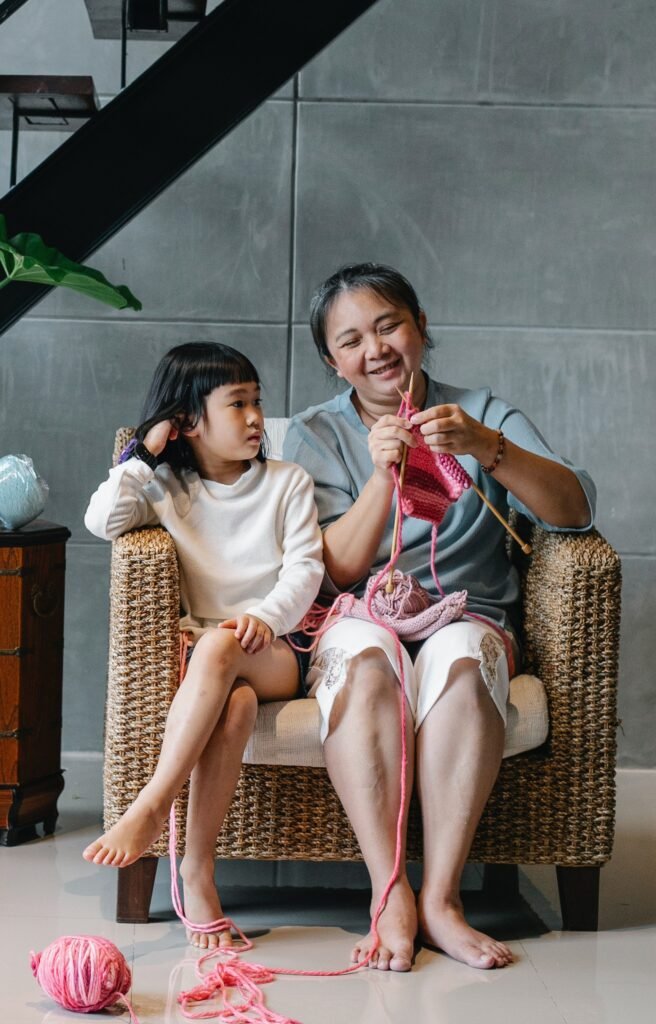
Photo Credit | Miriam Alonso
Photo Credit | Alex Green

The word “crochet” originated from the French word “croc” or “crochet” meaning hook and the word “krokr” which means hook. According to the Crochet Guild of America or CGOA, this popular craft dates back to as early as the 1500s. Italian nuns use it as church textile. Crochet became known as the poor man’s lace. Referencing to intricate lace handwork that only the well-to-do can afford to have. There were stories that throughout the potato famine in Ireland from 1845 to 1850, farmers relied on their crocheting skills to earn enough money to allow their families to migrate to America and rebuild their lives.
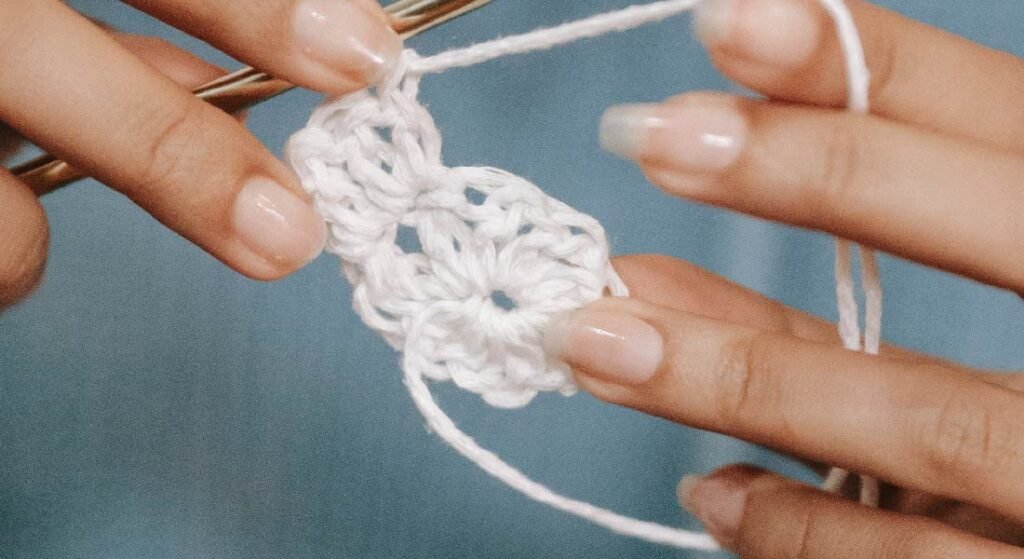
Photo Credit | Miriam Alonso

Today, the internet has allowed people from all over the world to share their love for the craft. Free resources are available online. Learning about new techniques and materials to use has never been easier. To learn more about the history of crochet through the years, the CGOA has a website that you can explore to learn more and maybe connect with other crocheters.

Embroidery

Embroidery is an artful technique that makes use of different colored threads to embellish textile and other materials. As early as 300 AD, the Swedes used sewing techniques like the stem stitch, whip stitch, and buttonhole stitch all of which are different types of traditional hand embroidery. Historically, embroidery skill is a sign of affluence. Wealthy families teach their daughters the craft as part of their passage rites into womanhood. Throughout history, archaeologists consider the embroidered fabric an important artifact. It serves as a window to our cultural heritage.
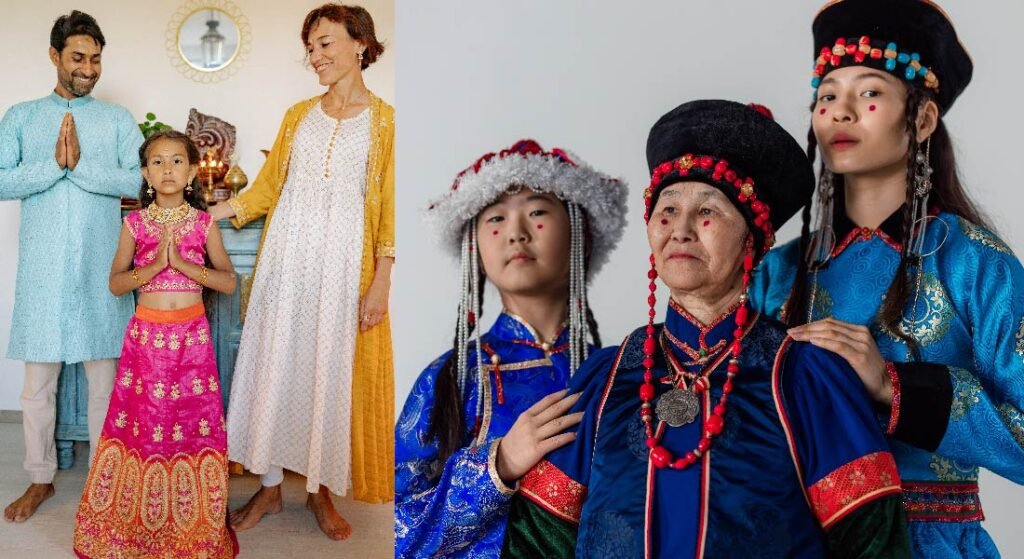
Photo Credit | Yan Krukov [L], Cottonbro [R]

Embroidery is a popular craft. The Chinese are well known for their intricately designed silk fabrics. They adorn them with lustrous threads in jewel colors that symbolize prosperity. Traditional rugs in Turkey and Kazakhstan have become heirlooms of their culture. The village of Fontenoy-le-Château was the center of the craft in France. Women of the village worked up to fifteen hours a day to produce pieces of clothing, adornments, and accessories for kings and queens around the world. Today the Museum of Embroidery, Metallurgy, and Heritage in Vosges, northern region of France houses some of these masterpieces.
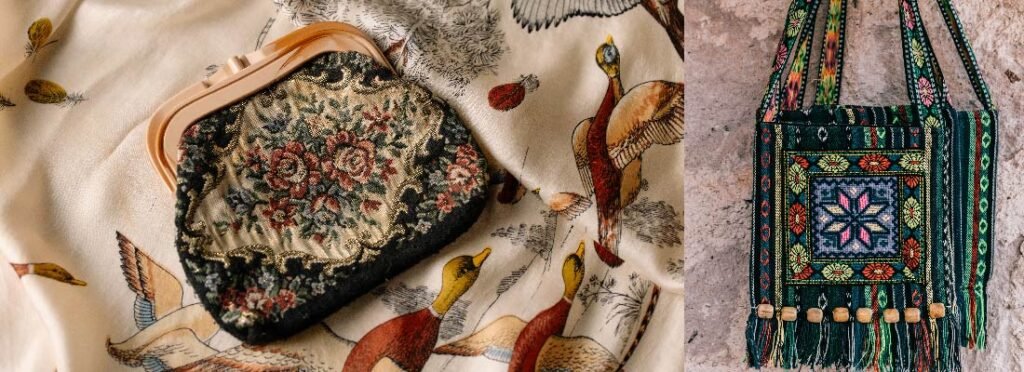
Photo Credit | Cottonbro [L], Meruyert Gonullu [R]

Today, embroidery remains to be one of the most popular crafts among enthusiasts. Times may have changed along with the industrial revolution of the 18th century. Sophisticated machines now produce huge quantities at a fraction of the time people used to need to complete designs. It is not just something for the wealthy.
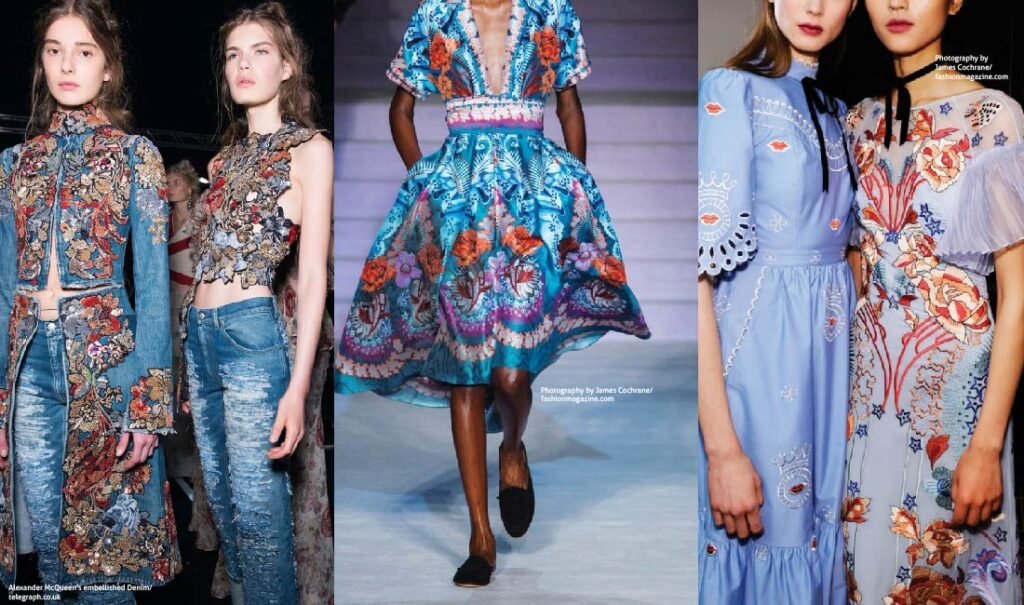
Photo Credit | Alexander McQueen’s Embellished Denim/ telegraph.co.uk [L], James Cochran/ fashionmagazine.com [M], James Cochran/ fashionmagazine.com [R]

Nowadays, anybody can find embroidered pieces of clothing or accessories that their budget allows. Real handcrafted masterpieces that you can find just about everywhere have grown in value. There is no shortage of designs you would like to make yourself or buy.

Quilting

Quilting is joining together at least three layers of fabric to form a base fabric. It is then sewn into pieces of clothing, accessories, soft toys, and beddings among others.

These three layers consist of the following:

  • quilt top layer
  • batting or the middle layer
  • backing or inner layer

These are sewn together using a running stitch to hold them all intact. The purpose of this stitching is originally to hold together the layers to make the quilt more durable. Over the years, this topstitching has become an integral part of its design. Quilters have become more creative and would use it to tell a story or follow a specific pattern to provide a decorative look to the finished product.
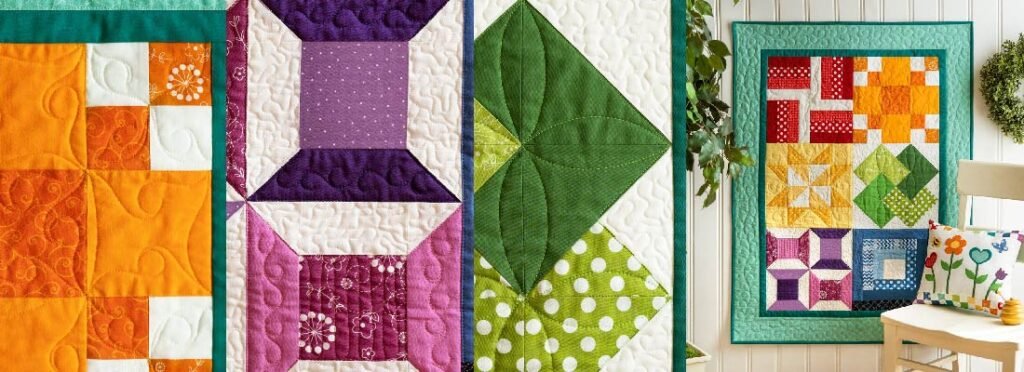
Photo Credit | Learn to Quilt Beginner 2020

Quilting has a rich history in popular crafts. The Chinese and the Egyptians are the earliest quilters. They use the quilts they make as outerwear. These clothes help keep them warm in the winter months. During the 1600s, girls in England start sewing at the young age of three or four years old. They will finish their first piece of quilt by five years old.

As a rite of passage and before reaching marrying age, girls are expected to make at least twelve pieces of quilt. This collection includes an extra piece with an intricate design. This piece will be her marriage quilt. Every traditional quilt pattern tells of a tradition passed on over the years. Traditional appliques for marriage quilts are roses, hearts, and bells applique.
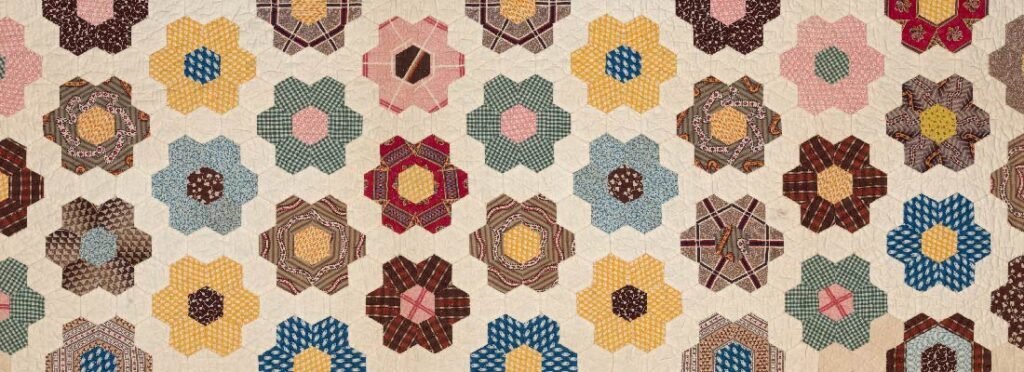
Photo Credit | Learn to Quilt Beginner 2020

Today, quilting remains to be a very popular craft. We reduce fabric waste by using scraps to make quilts. Organizations worldwide continue to foster and hone their quilting skills to build community among fellow members. The Modern Quilting Guild provides great support to members worldwide.

Knitting

Knitting is the art of looping together yarn by using two needles to create pieces of clothing and other accessories. This popular craft, like crochet, is fairly easy to do. There are two ways to knit. One is manually by using knitting needles and your hands. The second way is by using a knitting machine. There are simple machines available online for home projects. Industrial-grade machines are also available to produce in bulk. Socks are one of the most popular pieces of knitted clothing.
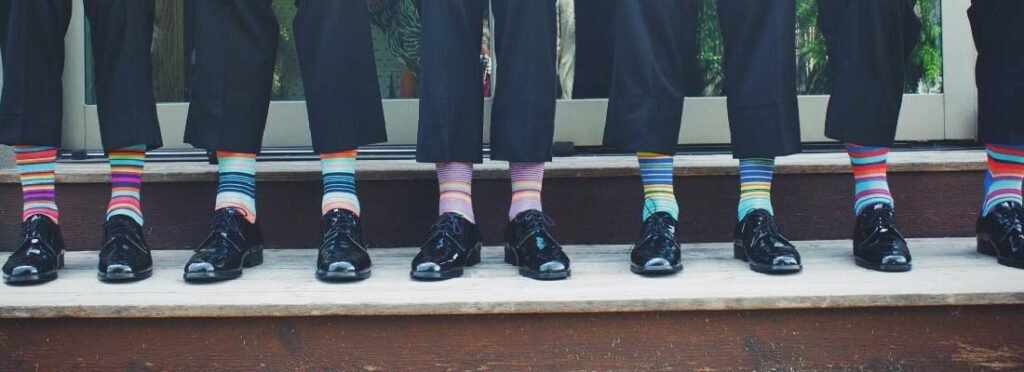
Photo Credit | Snapwire

Knits are naturally stretchy. Its mechanical construction gives it the ability to be pulled in all directions. This quality makes knitted garments very comfortable to wear. Different types of yarns are used for knitting. Yarn colors and textures can add to the luxurious or utilitarian design of the garment or accessory being made.
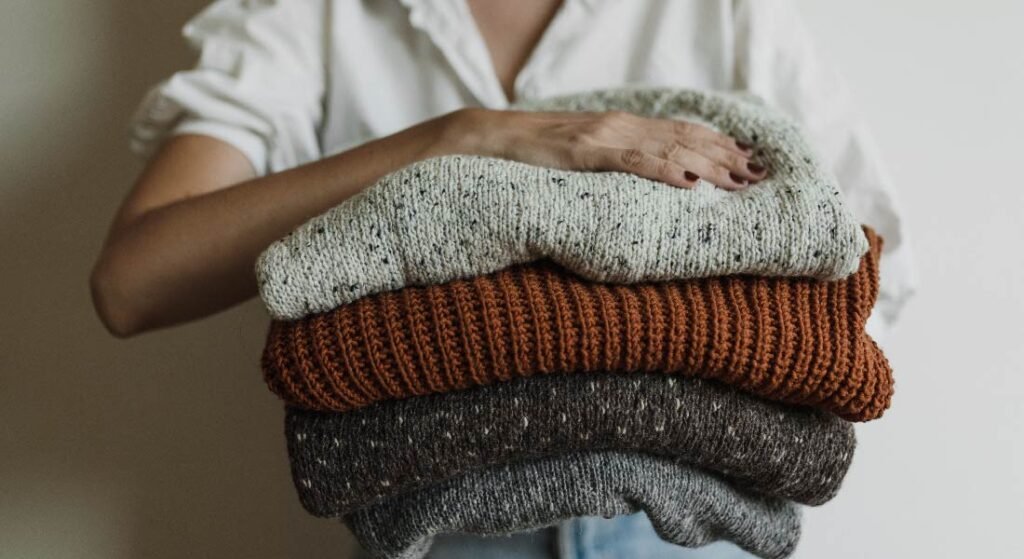
Photo Credit | Arina Krasnikova

Animal and plant fibers dyed using natural dyestuff are traditionally used to make knitting yarns. Hundreds and thousands of different patterns and designs are available online for anybody who is looking. Nowadays we have the advantage of technology to create synthetic yarns and dyestuff. Design and application possibilities are endless. We can produce vast quantities using less effort. Because of its multitude of qualities that are beneficial both for the wearer and the maker, knits continue to be a popular piece of clothing and one of the more popular crafts.

Macrame

Macrame is a textile craft made by knotting yarn rather than weaving it. These knots form a geometrical pattern that usually characterizes this popular craft. In the earlier times, Arabs would use knots to tie the ends and make decorative fringes for hand-loomed towels, shawls, and veils. Nowadays, you will see macrame wall hangings, decorative adornments for vases, plant hangers, bags, jewelry, and other small pieces of accessories. It has become one of the popular crafts for crafters and handmade enthusiasts alike.
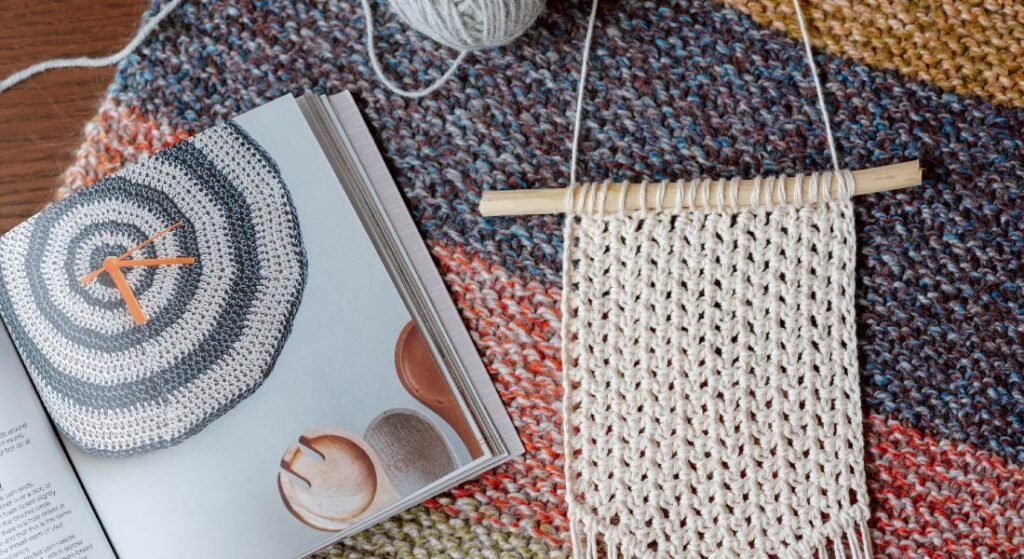
Photo Credit | Anete Lusina

Materials used for macrame are usually thick cords made of cotton twine, jute, linen, hemp, leather, and other similar materials. There is a wide variety to choose from. Craft stores usually have kits that will provide the pattern and materials and teach you the basics of mini macrame projects. Once you get the hang of it, you can venture into more complicated designs.

Given the popularity of macrame, you can find a lot of online inspirations via Instagram and Pinterest-worthy posts. There are many artists that share their works for us to learn from and enjoy.

Which of these popular crafts have you tried or want to try?

Check out the DIY Projects page for some projects that you might want to try for your next crafting break.

Categories
Materials

​The Basics About Threads and Yarns

The Basic and the not so basic things you need to know about yarns

If you are a crafter, chances are, you probably have tons of different colored threads and yarns stashed away in your sewing basket or crafting cabinet. By definition, a yarn is a continuous length of twisted fibers used in a variety of crafting activities like weaving, crocheting, knitting, and embroidery to produce and adorn clothes, fashion, and home accessories. Producing yarns is one of the integral steps in producing textiles. It is also used in making ropes for simple and industrial uses. Here are some interesting facts and the basics of what you need to know about yarns.

  • Yarn vs Thread
  • Yarn count and thread count
  • The most common types of fibers used in yarns
  • Single Yarn, Ply Yarn, Cord Yarn
  • What is a mercerized yarn?
  • BONUS: How do you know if your yarn is made of a natural fiber or a synthetic polyester material?

Yarn vs Thread

A yarn is made up of natural or synthetic fibers spun together in a process called spinning. There are two types of yarns. The first is RS or Ring Spun Yarn. It is the oldest and most versatile spinning system for short-staple yarns offering the widest range of yarn counts. Ring spinning is a continuous process where true twists are inserted into parallel fibers by means of a rotating spindle. The second is OE or Open End Yarn. It is a technology for creating yarn without using a spindle. It was invented in 1963 in Czechoslovakia. It is also known as break spinning or rotor spinning. The principle behind open-end spinning is similar to that of a clothes dryer spinning full of sheets. If you could open the door and pull out a sheet, it would spin together as you pulled it out.

Photo Credit | Cottonbro

A thread is composed of two or more yarns twisted together forming a continuous length that often varies in thickness and is used for sewing and embroidery. Sewing a thin material like poplin, lace, or voile generally requires the use of a finer thread count while sewing heavier weight or thicker fabrics like denim and bull twill requires a thicker yarn both for durability and design. Likewise, using a thick or chunky thread when sewing thin fabrics produces surface puckering and uneven stitching.

It is important to understand thread and yarn qualities and match them to our project’s requirements and our personal preferences.

Yarn Count and Thread Count

Photo Credit | June Gathercole [L], Pavel Danilyuk [R]

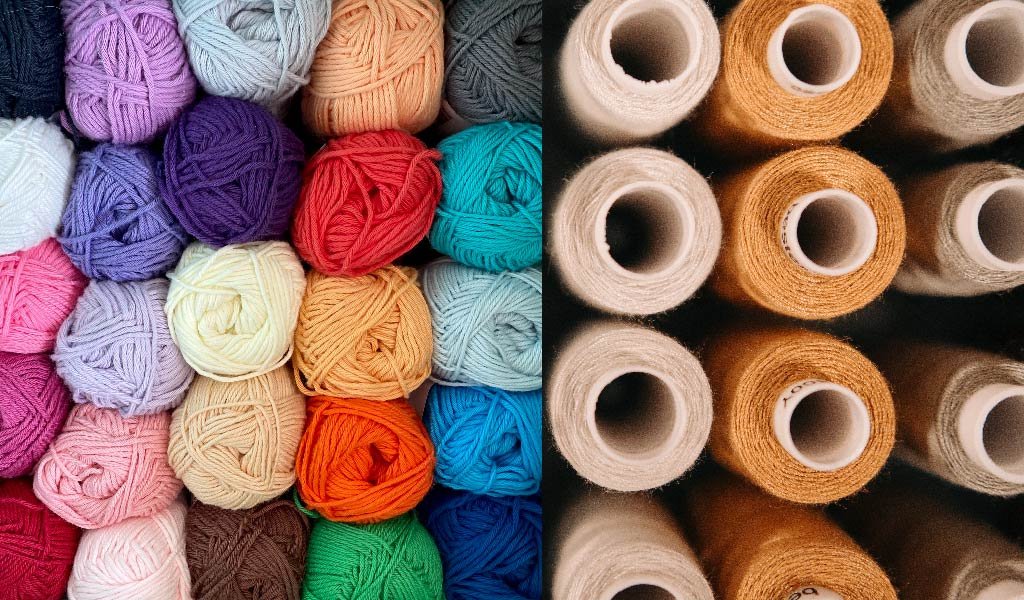
The Yarn Count refers to the thickness of the yarn or thread itself. The higher the number, the thinner the yarn. The lower the number, the chunkier it is. A size 3 yarn indicates that it is thicker and chunkier than a size 10 yarn.

The Thread Count refers to the number of threads per square inch measurement of a woven fabric. In beddings and home linens, a higher thread count where there are more numbers of threads in a square inch of fabric produces a high-quality fabric with a smooth surface that translates to a higher market value compared to a fabric with lower a thread count.

The most common types of Fiber used in Yarns

The types of fibers used in making yarns fall into 2 categories. There are natural fibers that are derived from certain parts of various plants and animals. There are also synthetic fibers that are man-made and mostly derived from polymers with the use of science and technology. Both natural and synthetic fibers provide different qualities that answer the different needs and requirements for every project.

Photo Credit | Kaboompics Karola G [L], Los Muertos Crew [R]

COTTON

The most common content of almost all kinds of fabrics primarily because of its basic intrinsic properties. It is soft and comfortable, breathable, absorbs body moisture, strong and durable, it is versatile and has good color retention and therefore easy to print on, it is easy to care for, easy to wash and it is a natural resource that is fully renewable. SUPIMA COTTON is the name of an organization that promotes Pima Cotton, a type of cotton that has extra-long staples with superior fiber properties, luster, and silkiness as well as an unusually high yield in production. Supima is a trademark that means Superior Pima.  Pima is a name of a Native American Indian Tribe who cultivated this kind of cotton. COMBED COTTON is an extremely soft version of cotton made by specially treating the cotton fibers before they are spun into yarn. As a general rule, combed cotton is slightly more expensive than conventional cotton. The extremely soft, strong material of combed cotton is ideal for making bed linens and clothing which will be worn against the skin. If the textile used in a cotton product is combed cotton, it will usually be clearly identified.

WOOL

is one of the most common knitting yarns derived from the shaved-off coats of animals. Cashmere is one of the most expensive kinds derived from Cashmere, Pashmina, and some other breeds of goats. Angora is also a popular kind of wool from rabbits. Merino wool is made from sheep’s wool and is known to have the finest and softest fiber. It makes up only about 1% of the world’s total fiber for apparel making it also one of the most expensive yarns. Wool yarns can absorb one-third of their weight in water and can absorb sounds well. It has excellent insulation and has high thermal resistance so it delays heat transfer in general. It ignites at a higher temperature than cotton and other synthetic fibers so it has a lower rate of flame spread. Wool is the fiber of choice for garments used by soldiers and firefighters because it has a self-extinguishing property that allows it to form a char when set on fire. It produces less smoke and toxic gases making it ideal for products that might be exposed to the likelihood of fire. An important consideration when using wool yarn or fabric is that some people may develop an allergic reaction to it.

POLYESTER

Polyester is a synthetic fiber derived from coal, air, water, and petroleum. It was developed in the 20th-century, polyester fibers are formed from a chemical reaction between an acid and alcohol. In this reaction, two or more molecules combine to make a large molecule whose structure repeats throughout its length. Polyester fibers can form molecules that are very stable and strong.

TENCEL OR LYOCELL

Tencel or Lyocell is a kind of cellulose fiber made from dissolving pulp from wood in an organic solvent spinning process. Fabrics made with this fiber absorb moisture quickly and release it again into the atmosphere. This quality also prevents bacterial growth in a completely natural way. Tencel is manufactured by Lenzing, one of the market leaders in fiber innovation.

BAMBOO

Bamboo is a natural textile made from the pulp of bamboo grass. Bamboo fabric has been growing in popularity because it has many unique properties and is more sustainable than most textile fibers. Bamboo fabric is light and strong, has excellent wicking properties, and is to some extent antibacterial. The use of bamboo fiber for clothing was a 20th-century development, pioneered by several Chinese corporations.

RAYON

The oldest manufactured fiber, having been in production since the 1880s in France, where it was originally developed as a cheap alternative to silk. DuPont Chemicals acquired the rights to the process in the 1920s and quickly turned rayon into a household word, churning out yards of the cheap, versatile fabric. Rayon drapes well, is easy to dye, and is highly absorbent, although it tends to age poorly.

Single Yarn, Ply Yarn, Cord Yarn

Photo Credit | Janko Ferlic

A single yarn refers to synthetic or natural fibers that are twisted together to form a single continuous length that we know as the yarn. Ply or plied yarn refers to the number of strands that are twisted together to form the continuous length of the yarn. A 2-ply yarn consists of 2 strands of single yarn twisted together, an 8-ply yarn consists of 8 strands of single yarn twisted together. This method allows for added bulk and thickness for the yarn and also provides more tensile strength so the yarn will not break off easily when subject to tension. A cord yarn is 2 or more plied yarns twisted together to form a single yarn. This type of yarn is made into heavy industrial fabrics but can also be used for sheer dense fabrics used for apparel by using a fine count yarn.

What is a mercerized yarn?

Photo Credit | Anete Lusina

A mercerized yarn undergoes an additional process where the strands of yarn are chemically treated in a caustic solution to improve the yarn’s ability to absorb dyestuff, make it shrinkage-resistant, and improve its luster and strength. The mercerization technique was developed in 1844 by an English textile chemist named, John Mercer. Physically, mercerized yarns appear to have a smoother surface because stray fibers are removed during the process making them more lustrous and silky in appearance.

How do you know if your yarn is made of a natural fiber or a synthetic polyester material?

Photo Credit | Teona Swift

Oftentimes, when we look at the labels on the packaging of the yarns we use in our craft projects and in garment labels inside our clothes, what we will see are the types of fiber used in making the yarn. It is often translated into different languages along with the care instructions on how we can clean the item. The type of fiber used dictates the care instructions on how we can make a piece of clothing or an accessory last longer to maximize its useful life. The most common types of content you will see are cotton, polyester, rayon, wool, and Lycra.

Have you ever wondered how you can actually check if an item is made of a natural or synthetic fiber? There is a way that you can do this by doing a very simple test. If you would like to know if the yarn or fabric is synthetic or natural, cut off a small piece of the yarn or fabric and burn it off. If there are only powdery ashes left, then the yarn or fabric is made of natural fiber. If there is a melted plastic-like residue then it is highly likely that the fiber used contains polyester or some other form of synthetic fiber. Make sure that if you do this test you are in a safe area and you practice all the necessary precautions to avoid any untoward incidents.

Hope this quick Yarn-101 has helped you become more informed when choosing what yarns to use for your next crafting project. Stay safe, stay creative. Cheers.​